When Grief Wears a Mask: Helping Westchester Children Carry Loss Without Carrying It Alone

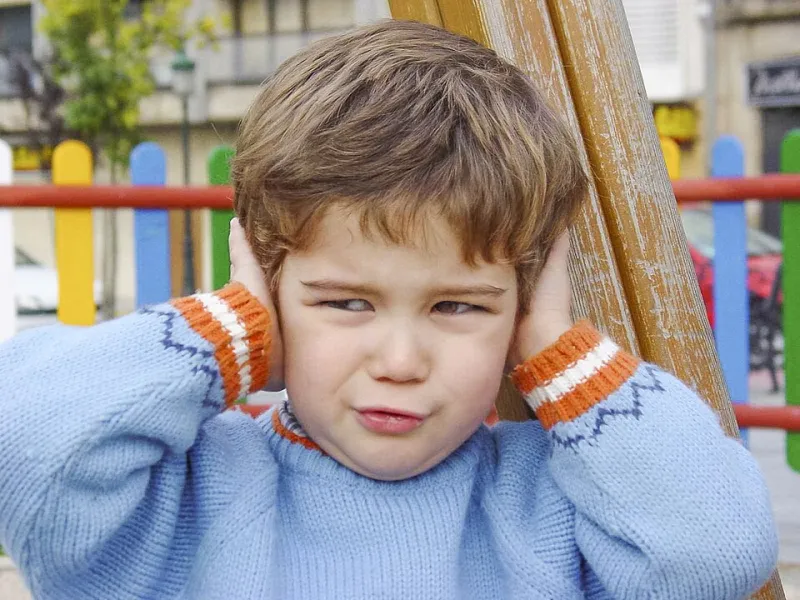
Photo by Photo by Ricardo IV Tamayo on Unsplash on Unsplash
There is a particular kind of helplessness that settles over a parent when they sense their child is suffering but cannot quite identify the source. The grades have slipped. The child who once bounded out of bed now lingers under the covers. A formerly easy-going seven-year-old has become quick to anger, dissolving into tears over small frustrations. These shifts are easy to dismiss as a phase, a bad week, or a behavioral problem in need of correction. In many cases, however, they are the language of grief — a language children speak fluently long before they have words for what they are feeling.
At Children of Our Savior Westchester, we believe that supporting a child's whole health means acknowledging the emotional landscape as seriously as any physical symptom. Grief is not a condition reserved for adults, and its presence in a child's life deserves thoughtful, unhurried attention.
Loss Takes Many Shapes
When most families think of childhood grief, the death of a loved one comes to mind first. And while bereavement is certainly one of the most acute forms of loss a child can experience, it is far from the only one. Divorce, the serious illness of a parent or sibling, the end of a close friendship, relocating away from a beloved neighborhood or school, even the loss of a family pet — each of these represents a genuine rupture in a child's sense of safety and continuity.
For families in Westchester, where communities are often tightly knit and children build deep roots in their schools and neighborhoods, a move to another town or district can feel catastrophic to a young person. The loss of a familiar bus route, a favorite teacher, or the friend next door is not trivial. To a child, these relationships constitute their entire known world.
Recognizing that grief is proportional to the child's experience — not to the adult's assessment of that experience — is the first and most important step a parent can take.
What Grief Actually Looks Like in Children
Because children lack the emotional vocabulary and cognitive framework that adults develop over time, grief rarely presents itself in the straightforward way we might anticipate. A grieving child does not necessarily cry at the dinner table or ask to talk about their feelings. Instead, grief tends to surface through behavior, and often in ways that look like something else entirely.
In younger children (ages 3–7), regression is common. A child who had been sleeping through the night may begin waking with nightmares. Toilet training milestones may reverse. Separation anxiety that had resolved can reappear with intensity. Play — that fundamental language of early childhood — may take on darker themes, with children acting out death, abandonment, or conflict in ways that concern caregivers.
In school-age children (ages 8–12), grief often manifests academically. Concentration becomes difficult, homework goes unfinished, and a child who previously enjoyed school may begin fabricating illnesses to avoid attending. Social withdrawal is also common. Children in this age group are acutely aware of feeling "different" from their peers and may isolate themselves rather than risk being seen as sad or broken.
In adolescents, grief can closely resemble depression — and in some cases, it develops into clinical depression if left unsupported. Teens may become irritable, secretive, or reckless. They may turn to peer groups or digital spaces for the comfort they feel they cannot seek at home. Some teens, particularly those who feel pressure to appear strong for grieving parents, suppress their emotions almost entirely — appearing fine on the surface while struggling considerably beneath it.
The Temptation to Fix — and Why It Can Backfire
As parents, the instinct to relieve a child's pain is both natural and loving. But well-intentioned efforts to "fix" grief can inadvertently communicate to a child that their feelings are too much, too inconvenient, or wrong. Phrases like "at least they're in a better place," "you need to be strong for Mom," or "it's time to move on" — however gently meant — can cause a child to internalize the message that their grief is unacceptable.
Grief does not follow a schedule. Children, in particular, may cycle in and out of sadness in ways that seem inconsistent to adults. A child may laugh and play in the morning and weep quietly at bedtime. This is not a sign of recovery or manipulation; it is simply the way children process loss — in waves, returning to it when they feel safe enough to do so.
The most powerful thing a parent can offer is not a solution, but a steady, non-anxious presence. Sitting with a child in their discomfort — without trying to redirect or minimize it — sends a profound message: You are not alone in this, and I am not afraid of your pain.
Age-Appropriate Ways to Support a Grieving Child
Create space for the story. Children need to be able to speak about what they have lost, and to do so repeatedly. Encourage your child to talk about the person, pet, or place they miss. Look at photographs together. Share your own memories. Allow the relationship that was lost to remain present in the family's conversation.
Maintain routine where possible. Structure provides a sense of safety when a child's world feels unpredictable. Consistent mealtimes, bedtimes, and school schedules offer a framework of normalcy that helps a grieving child feel less adrift.
Use honest, age-appropriate language. With younger children especially, euphemisms like "passed away," "went to sleep," or "we lost them" can create confusion and fear. Simple, truthful language — delivered with warmth — helps children build an accurate understanding of what has happened.
Watch for prolonged or escalating symptoms. While grief is a normal human experience, it can evolve into something that warrants professional support. If your child's symptoms are intensifying after several weeks, if they express hopelessness or speak about not wanting to be alive, or if their functioning at school or home has significantly deteriorated, it is time to connect with a mental health professional.
When to Reach Out for Help
Westchester families have access to a range of grief support resources, including school counselors, pediatric therapists, and community-based organizations that specialize in childhood bereavement. Many pediatricians can also serve as a first point of contact, helping families determine whether a referral to a mental health specialist is appropriate.
At Children of Our Savior Westchester, we encourage families not to wait until a child is in crisis before seeking support. Early intervention — even a few sessions with a skilled child therapist — can provide children with tools for processing loss that will serve them throughout their lives.
Grief is not a problem to be solved. It is a testament to love, and it deserves to be treated with the same care and dignity we would offer any other aspect of a child's health. When we allow children to grieve fully, with honesty and without shame, we give them something far more enduring than comfort: we give them the capacity to heal.
Children of Our Savior Westchester is committed to supporting the whole health of children and families across our community. If your family is navigating grief or loss and you are unsure where to turn, we encourage you to speak with your child's pediatrician or school counselor as a first step.