When Pain Becomes a Pattern: Helping Westchester Children Navigate Chronic Pain Without Losing Childhood

Photo by Photo by Vitaly Gariev on Unsplash on Unsplash
Every parent expects their child to come home with the occasional headache or stomachache. These are the ordinary bumps of growing up. But when pain becomes a recurring presence in a child's life—showing up week after week, disrupting school mornings, canceling playdates, and shadowing family dinners—something more serious may be unfolding.
Chronic pain in children is not rare. Researchers estimate that between 20 and 35 percent of children and adolescents worldwide experience some form of persistent or recurrent pain. Yet in communities like ours across Westchester County, these children are frequently misunderstood. Their complaints are sometimes attributed to anxiety, school avoidance, or a desire for attention rather than recognized as a genuine medical condition deserving thorough evaluation and compassionate care.
At Children of Our Savior Westchester, we believe that every child's experience deserves to be taken seriously. This article is intended to help families understand what chronic pediatric pain looks like, why it so often goes undiagnosed, and how parents can take meaningful steps to support their children through it.
What Counts as Chronic Pain in a Child?
Chronic pain is generally defined as pain that persists for three months or longer, or that recurs frequently enough to interfere with normal daily functioning. In children, it most commonly presents as one of several recognizable conditions.
Migraines and chronic headaches affect millions of children in the United States and are among the most underdiagnosed conditions in pediatric medicine. Children may not describe their headaches the way adults do; instead, they may complain of dizziness, light sensitivity, or simply say they feel "weird" before withdrawing to a dark room.
Functional abdominal pain is a category that encompasses recurring stomach pain without a clearly identifiable structural cause. It is real, it is physical, and it can be debilitating. Conditions such as irritable bowel syndrome and functional dyspepsia fall within this umbrella and are increasingly recognized in school-age children.
Fibromyalgia and widespread musculoskeletal pain are less commonly discussed in pediatric contexts, but they do occur in children and adolescents. Young people with these conditions often describe aching, tenderness, and fatigue that adults in their lives may struggle to validate.
Complex Regional Pain Syndrome (CRPS) and other neuropathic pain conditions, while less common, can be profoundly disabling when they do appear in children.
Why Chronic Pain in Children So Often Goes Unrecognized
Several factors conspire to keep chronic pediatric pain invisible. First, children frequently lack the vocabulary to describe their pain with precision. A ten-year-old may say her legs "hurt all the time" without being able to articulate the quality, location, or triggers of that pain—details a physician would find clinically useful.
Second, many chronic pain conditions in children present without obvious physical findings. When diagnostic tests come back normal, families may be told their child is healthy, leaving them confused and their child feeling unbelieved.
Third, and perhaps most painfully, chronic pain in children is sometimes framed as a psychological problem rather than a physical one. While it is true that psychological factors can influence pain perception—and that mental health support is often a legitimate and important part of treatment—dismissing a child's pain as "all in their head" without proper evaluation is both medically incomplete and emotionally damaging.
Signs That Warrant a Closer Look
Parents in Westchester should take note when a child demonstrates any of the following patterns over a sustained period:
- Frequent absences from school or resistance to attending that cannot be explained by acute illness
- Repeated visits to the school nurse for the same complaint
- Withdrawal from activities, sports, or social events the child previously enjoyed
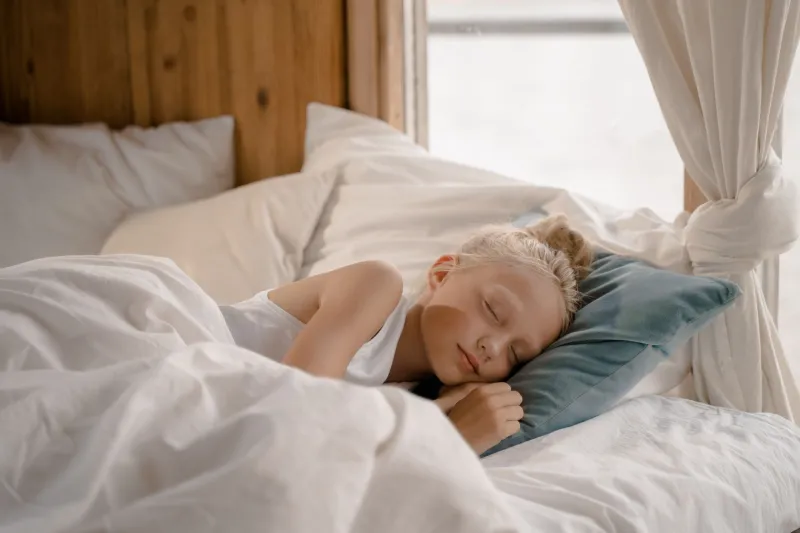
- Sleep disturbances, including difficulty falling asleep or frequent nighttime waking due to discomfort
- Visible changes in mood, including increased irritability, sadness, or anxiety that coincides with physical complaints
- Requests to rest or lie down during times that were previously active
- A pattern of pain that follows a predictable cycle, such as every Monday morning or during periods of academic stress
None of these signs individually confirms a chronic pain condition, but together they form a picture worth discussing with your child's pediatrician in detail.
Navigating the Diagnostic Journey
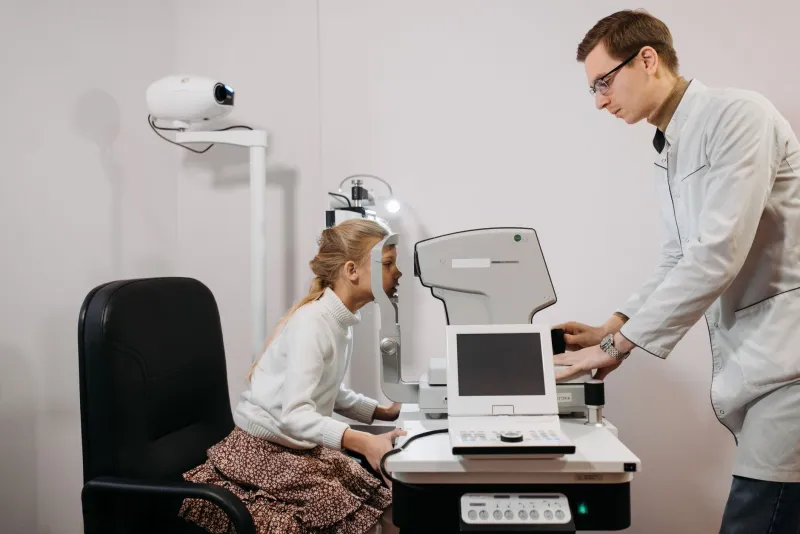
Obtaining a clear diagnosis for pediatric chronic pain can be a lengthy process, and families should be prepared for that reality. A thorough evaluation typically begins with your child's primary care physician, who may order laboratory work and imaging to rule out conditions such as inflammatory arthritis, celiac disease, or neurological disorders.
If initial testing does not yield answers, a referral to a specialist—such as a pediatric neurologist for headaches, a pediatric gastroenterologist for abdominal pain, or a pediatric rheumatologist for musculoskeletal complaints—is often the appropriate next step. Westchester County and the broader New York metropolitan area offer access to excellent pediatric specialty care, including programs at institutions affiliated with major academic medical centers.
Keep a detailed pain diary before and during this process. Record the date, time, duration, location, and intensity of your child's pain episodes, along with any potential triggers such as foods, weather, stress, or sleep disruption. This documentation can be invaluable to a specialist and helps demonstrate the pattern that may be less visible during a single office visit.
Supporting Your Child at School and at Home
A diagnosis, when it comes, is not the end of the journey—it is the beginning of a management plan. Children with chronic pain conditions benefit enormously from a coordinated approach that involves medical care, school accommodations, and family support.
Work with your child's school. Under Section 504 of the Rehabilitation Act, children with chronic health conditions that substantially limit a major life activity—including attending school—may be eligible for accommodations. These can include modified schedules, access to the nurse's office, permission to carry medication, or reduced homework loads during flare periods. Westchester families should not hesitate to request a 504 meeting with their child's school team.
Explore interdisciplinary pain management. The most effective treatment for pediatric chronic pain typically combines medical management with physical therapy, psychological support, and sometimes occupational therapy. Cognitive behavioral therapy, in particular, has strong evidence for helping children develop coping strategies that reduce the functional impact of pain without minimizing its reality.
Protect your child's social life. Isolation is one of the most damaging secondary effects of chronic pain in young people. Encourage your child to maintain friendships even in adapted ways—a shorter playdate, a video call, a low-key gathering—so that pain does not become the defining feature of their social identity.
Tend to your own wellbeing. Parenting a child in chronic pain is emotionally exhausting. Seeking support—whether through a parent support group, a therapist, or trusted community connections—is not a luxury. It is a necessity that ultimately benefits your child.
A Word of Encouragement
Children with chronic pain conditions can and do thrive. With proper diagnosis, appropriate treatment, thoughtful school support, and a family environment that validates their experience without centering it, many young people learn to manage their pain effectively and go on to lead full, engaged lives.
At Children of Our Savior Westchester, we are committed to walking alongside families through challenges exactly like these. If your child is struggling with unexplained or recurring pain, please know that you are not alone—and that advocating persistently and compassionately for your child's health is one of the most powerful things you can do.