When the World Feels Too Loud: Understanding Sensory Processing Differences in Westchester Children
Imagine sitting in a school gymnasium while fluorescent lights hum overhead, sneakers squeak across the floor, and dozens of voices echo off the walls. For most children, this is simply a noisy afternoon. For others, it is an experience that feels physically unbearable—one that demands every ounce of their concentration just to endure.
Sensory processing differences affect a significant number of children across the United States, and Westchester families are no exception. Yet because these differences do not always come with a clear diagnosis or visible symptoms, many children move through their early years without the understanding or support they need. Parents may be told their child is simply "too sensitive" or "difficult." Teachers may interpret avoidance behaviors as defiance. And children themselves often lack the vocabulary to explain what they are experiencing.
At Children of Our Savior Westchester, we believe that every child deserves to be understood—not just academically or physically, but in the full complexity of how they experience the world around them.
What Sensory Processing Differences Actually Mean
The sensory system does far more than manage the five senses most of us learned about in school. It also processes proprioceptive input—the sense of where the body is in space—and vestibular information related to movement and balance. When the brain has difficulty organizing and responding to all of this incoming data in a regulated way, the result is what clinicians often refer to as sensory processing disorder (SPD) or, in broader terms, sensory processing differences.
Children with these differences may be hypersensitive, meaning they experience stimuli far more intensely than their peers. Others are hyposensitive, appearing to seek out intense sensory experiences because their nervous system requires more input to register a response. Many children fall somewhere in between, displaying a mixed profile that can shift depending on the environment, the time of day, or their overall stress level.
It is worth noting that sensory processing differences frequently co-occur with conditions such as autism spectrum disorder, ADHD, and anxiety—but they can also appear independently. A child does not need a formal diagnosis of any kind to experience genuine sensory challenges.
Signs That Parents and Educators Often Miss
Sensory differences are remarkably easy to overlook, particularly when a child has developed coping strategies that mask their discomfort. Some of the most commonly missed indicators include:
At home:
- Persistent refusal to wear certain clothing due to tags, seams, or fabric textures—not pickiness, but genuine distress
- Extreme reactions to foods based on texture rather than taste, making mealtimes a source of ongoing conflict
- Difficulty transitioning between activities, particularly when moving from a calm environment to a stimulating one
- Covering ears in response to sounds that others barely notice, such as a blender, a hand dryer, or a crowd
- Unusual sensitivity to light, including difficulty in bright stores or outdoor settings on sunny days
- Seeking out deep pressure through tight hugs, heavy blankets, or pressing against furniture
At school:
- Avoiding the cafeteria, gym class, or crowded hallways whenever possible
- Difficulty concentrating in classrooms with visual clutter or background noise
- Appearing distracted or irritable after transitions between subjects or spaces
- Struggling with fine motor tasks such as handwriting due to tactile sensitivity or proprioceptive challenges
- Emotional outbursts that seem disproportionate to the triggering event, which may in fact be a sensory threshold being crossed
For educators in Westchester's public and private schools, recognizing these patterns requires a shift in perspective—from asking "Why is this child misbehaving?" to asking "What might this child be experiencing right now?"
Creating Sensory-Friendly Environments at Home
Families do not need to wait for a formal diagnosis to begin making meaningful adjustments. Small, thoughtful changes to the home environment can significantly reduce a child's daily stress load.
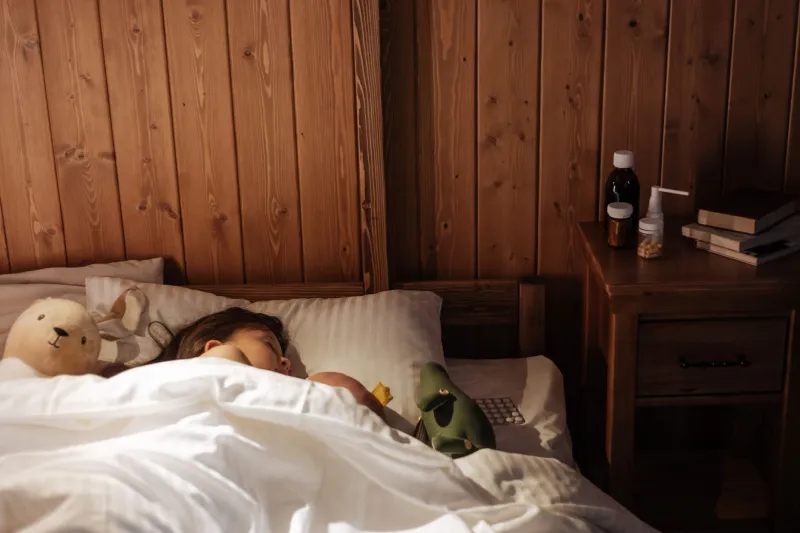
In the bedroom, consider replacing rough bedding with soft, seamless alternatives, and allow children to have input into what they wear when possible. Dimmer switches can help manage light sensitivity, and white noise machines can buffer unpredictable sounds during sleep.
At mealtimes, rather than forcing exposure to distressing textures, try introducing new foods gradually alongside familiar favorites. Serving components of a meal separately—so that textures do not mix unexpectedly—is a simple accommodation that can transform the dinner table from a battleground into a more manageable experience.
During transitions, providing advance notice before activities change gives a sensory-sensitive child time to mentally prepare. A five-minute warning before leaving the park or turning off a screen is a small gesture that can prevent significant distress.
For sensory seeking children, creating intentional outlets—a designated space with a crash pad, a swing, or textured materials—can help satisfy the nervous system's need for input in a safe and controlled way.
Advocating for Sensory Support in Westchester Schools
Westchester families have the right to request evaluations and accommodations through their child's school district. Under the Individuals with Disabilities Education Act (IDEA) and Section 504 of the Rehabilitation Act, children with sensory processing challenges that affect their educational performance may qualify for an Individualized Education Program (IEP) or a 504 Plan.
Occupational therapy is frequently the most relevant service for sensory processing differences, and many Westchester school districts employ occupational therapists who can assess a child's sensory profile and recommend in-school strategies. These might include preferential seating away from high-traffic areas, access to fidget tools, permission to take sensory breaks, or modifications to the classroom environment such as reduced visual clutter.
If you believe your child may benefit from an evaluation, begin by speaking with your child's teacher and school counselor, and follow up in writing to formally request an assessment. Documenting specific behaviors and their contexts will strengthen your case and help the evaluation team understand the full picture.
When to Seek a Professional Evaluation Outside of School
While schools can provide valuable support, an independent evaluation by a licensed occupational therapist or developmental pediatrician offers a more comprehensive assessment of your child's sensory profile. This is particularly important if:
- Your child's sensory responses are significantly impacting daily functioning at home, school, or in social settings
- Your child is experiencing emotional distress, social withdrawal, or declining self-esteem related to their sensory differences
- School-based interventions have not produced meaningful improvement
- You are seeking a clearer picture of whether sensory challenges are part of a broader neurodevelopmental profile
Several pediatric occupational therapy practices serve Westchester County, and your child's primary care physician can provide referrals. Early intervention tends to yield the most significant outcomes, so families are encouraged not to adopt a wait-and-see approach when concerns are present.
A Message to Westchester Families
Raising a child who experiences the world differently can be isolating. Parents sometimes carry quiet guilt, wondering whether they have somehow contributed to their child's struggles, or frustration when their efforts do not seem to help. Educators may feel unprepared to meet needs that fall outside traditional academic support.
What children with sensory processing differences need most is not perfection—it is to be believed. When a child says the cafeteria is too loud, or the sweater is unbearable, or the lights hurt their eyes, the most powerful response a caring adult can offer is simply: I hear you. Let's figure this out together.
At Children of Our Savior Westchester, we are committed to supporting families through every dimension of a child's wellbeing—including the dimensions that are hardest to see. If you have concerns about your child's sensory responses, please do not hesitate to reach out for guidance and resources. No family should navigate these questions alone.