Hidden in Plain Sight: How Westchester Schools Can Miss Anxiety in High-Achieving Students
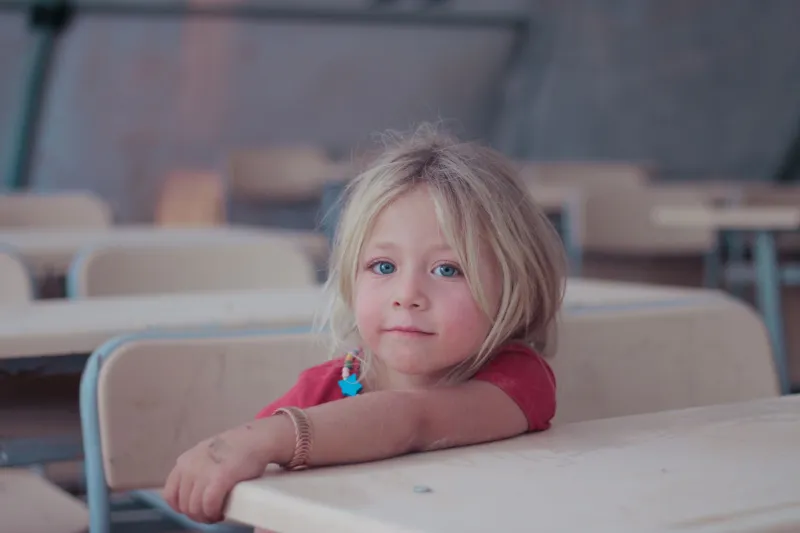
Westchester County is home to some of New York's most competitive school districts. Families here often invest deeply in their children's academic futures — tutoring, enrichment programs, extracurricular schedules that would exhaust many adults. In this environment, a child who studies obsessively, never misses an assignment, and rarely causes disruption in the classroom can seem like a model student. What teachers and even parents may not recognize is that this same child might be quietly suffering from an anxiety disorder that no one has thought to name.
Childhood anxiety is the most common mental health condition affecting young people in the United States, with estimates suggesting that one in eight children experiences a diagnosable anxiety disorder at some point during their development. Yet in high-achievement communities, anxiety frequently evades detection — not because the symptoms aren't present, but because they can look, from the outside, like virtues.
When "Doing Well" Masks Distress
Anxiety in children does not always look like fear. It does not always produce visible panic attacks or tearful school refusals, though those presentations certainly exist. More often, in academically focused environments, childhood anxiety presents as:
- Perfectionism that goes beyond healthy ambition. A child who erases homework answers repeatedly, refuses to submit work they consider imperfect, or becomes inconsolable over a grade that most parents would celebrate.
- Physical complaints without a clear medical cause. Stomachaches on Sunday evenings, persistent headaches before tests, or frequent requests to visit the school nurse are often the body's language for emotional distress.
- Avoidance behaviors. Reluctance to participate in class discussions, social withdrawal at lunch or recess, and resistance to new activities may reflect a child's attempt to manage overwhelming fear — not shyness or laziness.
- Reassurance-seeking. Children with anxiety often ask the same questions repeatedly, checking and rechecking with parents or teachers about upcoming events, schedules, or expectations.
- Sleep disruption. Difficulty falling asleep, nighttime waking, or resistance to bedtime — particularly on school nights — can be a reliable indicator that a child is carrying more worry than their developing nervous system can process.
In Westchester's achievement-oriented school culture, many of these behaviors are either overlooked or quietly admired. A student who triple-checks their work may earn praise for diligence. A child who avoids social risks may be described as "focused." This well-intentioned misreading can delay intervention by months or even years.
The Academic Pressure Connection
Research consistently demonstrates a bidirectional relationship between academic pressure and childhood anxiety. High expectations — whether they originate from parents, schools, or the children themselves — can activate and sustain anxiety responses in developing brains. When children internalize the message that their value is tied to performance, the ordinary challenges of school life become existential threats.
This is not a critique of ambitious families. It is, rather, a call to examine the environment we collectively create for children. In communities like Westchester, where college preparation conversations sometimes begin in middle school and where a child's extracurricular portfolio can feel like a competitive sport, the cumulative pressure on young nervous systems deserves serious attention.
Pediatric mental health professionals note that anxiety, left unaddressed, rarely resolves on its own. It tends to expand — moving from one domain of a child's life to another, and often intensifying during key developmental transitions such as the move from elementary to middle school or the onset of adolescence.
Advocating for Your Child Within the School System
Parents who suspect their child may be struggling with anxiety have meaningful options within the public school framework — options that are worth understanding before a crisis occurs.
Request a meeting with the school counselor or psychologist. Every public school in New York State is required to employ certified school counselors. These professionals can conduct informal observations, facilitate conversations with teachers, and help parents determine whether a formal evaluation is warranted.
Understand your child's rights under IDEA and Section 504. If anxiety is significantly interfering with your child's ability to access their education, they may qualify for accommodations under a 504 Plan. Common supports include extended time on assessments, a quiet testing environment, flexible attendance policies for anxiety-related absences, and access to a school-based check-in system. A child with more significant needs may qualify for an Individualized Education Program (IEP) with specialized support services.
Document what you observe at home. Schools respond more readily to specific, documented concerns than to general parental worry. Keep a brief log of physical symptoms, behavioral changes, and any statements your child makes about school-related stress. This record becomes a valuable tool in any advocacy conversation.
Ask about the school's mental health referral process. Many Westchester school districts have established relationships with community mental health providers and can facilitate referrals for outside evaluation or therapy.
Local Resources Worth Knowing
Westchester County offers a range of mental health resources specifically designed to support children and families. The Westchester County Department of Mental Health maintains a resource directory and crisis line. Several community-based organizations throughout the county — including faith-affiliated programs, pediatric therapy practices, and school-linked mental health initiatives — offer sliding-scale or insurance-covered counseling services.
For families navigating the process of finding a therapist, the Anxiety and Depression Association of America (ADAA) maintains a therapist locator that allows searches by specialty and location. Cognitive Behavioral Therapy (CBT) is widely regarded as the gold-standard treatment for childhood anxiety disorders and is available through many Westchester-area providers.
A Word to Parents Who Are Worried
If you recognize your child in the descriptions above, please know that anxiety is treatable. Early identification and appropriate support dramatically improve outcomes. Seeking help is not a reflection of failure — as a parent or as a child. It is, in fact, one of the most important things a family can do.
At Children of Our Savior Westchester, we believe that every child deserves the freedom to grow, learn, and stumble without the weight of unaddressed fear. If your family is navigating concerns about childhood anxiety, we encourage you to reach out to your child's pediatrician as a first step. They can provide referrals, rule out medical contributors, and help you build a support team that meets your child where they are.
The quiet child in the back of the classroom who always turns in perfect work may need more than praise. They may need someone to ask — gently, and without judgment — how they are really doing.