Raising Strong Kids: Evidence-Based Ways Westchester Parents Can Nurture Emotional Resilience
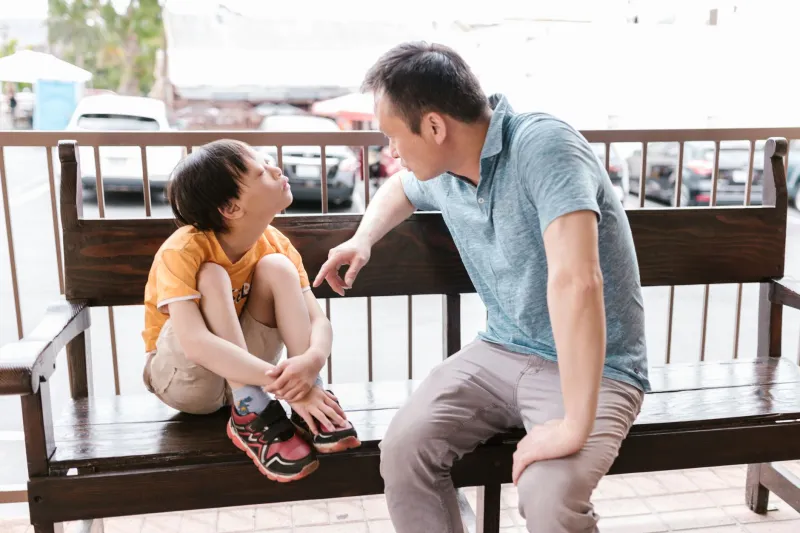
Every child encounters hardship. Whether it is the sting of a failed test, the confusion of a family change, or the weight of social pressures that seem to grow heavier with each passing year, adversity is an unavoidable part of growing up. What separates children who struggle in silence from those who navigate difficulty with confidence is not the absence of challenges — it is the presence of resilience.
At Children of Our Savior Westchester, we believe that emotional well-being is inseparable from physical health. Families throughout our community deserve clear, trustworthy guidance on how to raise children who are not only physically healthy, but emotionally equipped to face an uncertain world. This article brings together evidence-based strategies, perspectives from child health professionals, and practical tools that Westchester caregivers can begin using today.
What Resilience Actually Means — and What It Does Not
Resilience is often misunderstood as toughness — the ability to push through pain without complaint. In reality, resilience is far more nuanced. Child psychologists define it as the capacity to adapt constructively in the face of adversity, trauma, or significant stress. It does not mean children will not grieve, struggle, or feel afraid. It means they have the internal and external resources to recover and grow.
Research from the American Psychological Association confirms that resilience is not a fixed trait children are simply born with or without. It is developed over time through consistent relationships, practiced coping skills, and supportive environments. This is good news for parents: the work you do at home matters enormously.
The Foundation Is Connection
Child development specialists consistently identify one factor above all others as the cornerstone of resilience: a stable, nurturing relationship with at least one caring adult. For most children, that person is a parent or primary caregiver.
When children know they are unconditionally supported, they are more willing to take emotional risks — to name their fears, ask for help, and try again after failure. Simple daily practices reinforce this connection:
- Consistent check-ins: Dedicate even ten minutes each day to undivided, screen-free conversation. Ask open-ended questions: What was the hardest part of your day? What made you laugh?
- Validation before problem-solving: When a child is upset, resist the instinct to immediately fix the situation. Acknowledge the feeling first. Saying "I understand why that felt unfair" before offering advice communicates that emotions are safe to express.
- Predictable routines: Stability in daily life — consistent mealtimes, bedtime rituals, and family traditions — creates a psychological anchor during turbulent periods.
Families in Westchester who have worked with community-based counselors often report that it was not grand gestures but small, repeated moments of connection that most helped their children feel secure.
Teaching Children to Name and Manage Emotions
Emotional literacy — the ability to identify and articulate feelings — is a skill that must be actively taught. Children who can name their emotions are better equipped to regulate them. A child who can say "I feel overwhelmed" is in a far stronger position than one who only knows how to act out.
Some effective approaches include:
Emotion vocabulary building: Use everyday moments — books, movies, conversations — to expand a child's emotional vocabulary beyond "happy," "sad," and "mad." Words like anxious, disappointed, embarrassed, and proud give children more precise tools for self-understanding.
Mindfulness practices: Age-appropriate breathing exercises and body-awareness activities have demonstrated measurable benefits in reducing childhood anxiety. Even young children can learn to take three slow, deep breaths when they feel their emotions escalating.
Journaling or drawing: For older children and adolescents, expressive writing or art can serve as a healthy outlet for processing difficult experiences. Encourage this without demanding to read or review the content — privacy is essential to the practice.
The Role of Problem-Solving Skills
Resilient children are not passive recipients of whatever life delivers. They develop an internal belief that their actions matter — what psychologists call a sense of agency or self-efficacy. Parents can cultivate this by involving children in age-appropriate problem-solving.
When a challenge arises, rather than immediately resolving it for your child, walk through it together. Ask: What do you think could help? What might happen if we tried that? What would you do differently next time? This approach communicates trust in the child's capacity and gradually builds the cognitive skills needed to navigate future difficulties independently.
Schools throughout Westchester County, including many partnered with community health organizations, have begun incorporating social-emotional learning (SEL) curricula that reinforce exactly these skills in classroom settings — complementing the work parents do at home.
Addressing Anxiety: When Concern Becomes Clinical
It is normal for children to experience worry. However, when anxiety begins to interfere with daily functioning — school attendance, friendships, sleep, appetite — it warrants professional attention. Anxiety disorders are among the most common mental health conditions affecting children in the United States, and they are highly treatable when identified early.
Signs that may indicate a child needs professional support include:
- Persistent, excessive worry that is difficult to control
- Physical complaints (stomachaches, headaches) without a clear medical cause
- Avoidance of previously enjoyed activities
- Significant changes in sleep patterns or appetite
- Frequent emotional outbursts disproportionate to the situation
Westchester County offers a range of mental health resources for children and adolescents, including community mental health centers, school-based counseling programs, and private practitioners specializing in pediatric behavioral health. Families are encouraged to consult their child's pediatrician as a first point of contact for referrals.
Supporting Children Through Specific Life Challenges
Certain life events carry particular weight for children and may require targeted support:
Family transitions (divorce, relocation, loss): Maintain as much routine stability as possible. Offer honest, age-appropriate explanations. Remind children repeatedly that they are loved and that the change is not their fault.
Peer difficulties and bullying: Take reports of bullying seriously. Collaborate with school staff. Help children rehearse assertive responses and reinforce their sense of worth outside of peer dynamics.
Academic stress: Reframe failure as information rather than judgment. Celebrate effort as much as achievement. Ensure children have adequate downtime — chronic overscheduling is a significant contributor to childhood anxiety in communities like Westchester.
Grief and loss: Do not shield children from grief. Allow them to mourn, ask questions, and participate in rituals of remembrance. Children who are included in the family's grieving process tend to cope more healthfully than those who are excluded from it.
A Community That Cares Together
Resilience is not built in isolation. Children thrive when they are embedded in communities that see them, support them, and invest in their well-being. At Children of Our Savior Westchester, our mission is to ensure that every family in our community has access to the knowledge, resources, and compassionate support they need to raise healthy, whole children.
If your family is navigating a difficult season, you do not have to find your way alone. Reach out to your child's pediatrician, connect with a school counselor, or explore the resources available through our organization. Building resilience is a lifelong endeavor — and it begins with a single, intentional step.